In critical medical emergencies—whether road traffic accidents, acute myocardial infarctions, or severe obstetric complications—the concept of the “Golden Hour” is paramount. The quality and speed of care rendered in the first sixty minutes following acute injury or medical collapse directly determines survival rates and long-term functional recovery.
The Evolution of Pre-Hospital Care in Pakistan
Historically, pre-hospital transit in Pakistan functioned largely as basic transport rather than medical intervention. Patients were rushed to emergency rooms by well-meaning bystanders or basic carrier vehicles without airway stabilization, spinal immobilization, or intravenous access.
Over the past decade, a profound transformation has occurred. The establishment of dedicated emergency services such as Sindh Integrated Emergency & Health Services (SIEHS 1122) and the expansion of Rescue 1122 nationwide have established structured emergency dispatch, certified Emergency Medical Technicians (EMTs), and modern telemetry-equipped ambulance fleets.
“A modern ambulance is not a transport vehicle—it is an extension of the emergency intensive care unit, bringing life-saving resuscitation directly to the patient’s side.”
Core Components of an Integrated Trauma System
Building a world-class trauma ecosystem requires seamless interoperability across three primary operational tiers:
- Centralized Computer-Aided Dispatch (CAD): GPS-enabled vehicle location systems that identify the nearest appropriately equipped ambulance unit and dispatch it within seconds of an emergency call.
- Advanced Life Support (ALS) On-Board Capabilities: Defibrillators, portable ventilators, emergency airway adjuncts, and telemetry devices that transmit patient vitals directly to receiving trauma centers while en route.
- Hospital Trauma Bay Readiness: Standardized ATLS (Advanced Trauma Life Support) protocols ensuring that surgical, orthopedic, and neurosurgical sub-specialists are scrubbed and waiting prior to ambulance arrival.
Tackling Urban Congestion and Highway Transit Corridors
Urban centers like Karachi present unique logistical hurdles, including heavy traffic congestion that can delay ambulance transit times. The deployment of rapid-response motorcycle paramedic units in high-density corridors has proven to be an effective bridge, allowing certified responders to reach accident sites within minutes to initiate basic hemorrhage control and airway clearance while ambulances navigate traffic.
Concurrently, establishing specialized trauma stabilization centers along national highway corridors has dramatically cut transit mortality for high-velocity highway collisions.
Emergency Care Dialogues at Healthcare Expo 2026
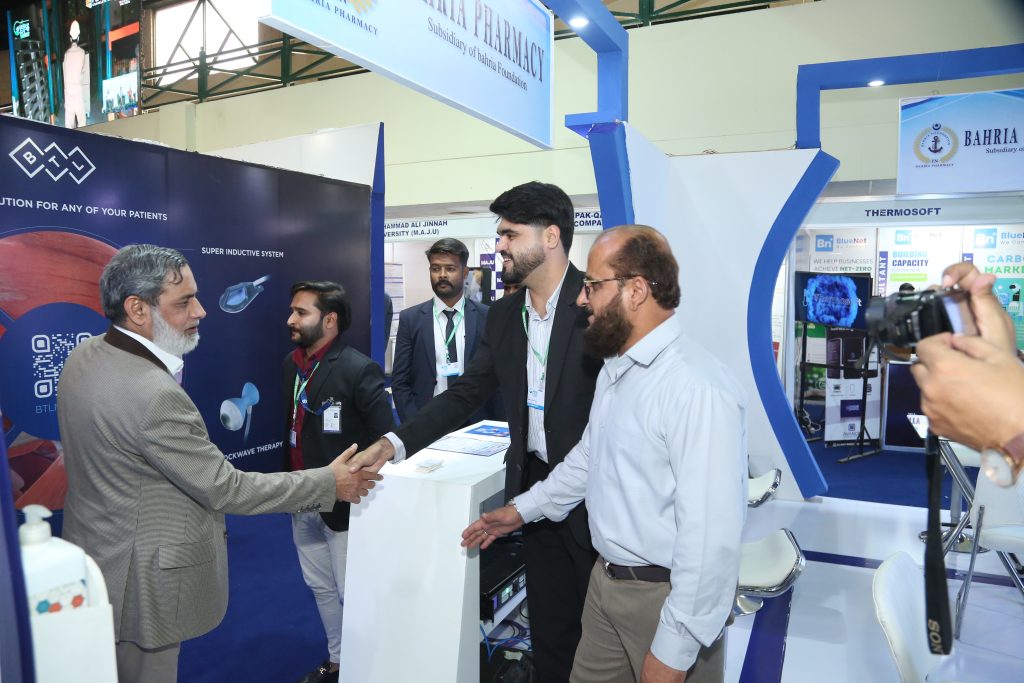
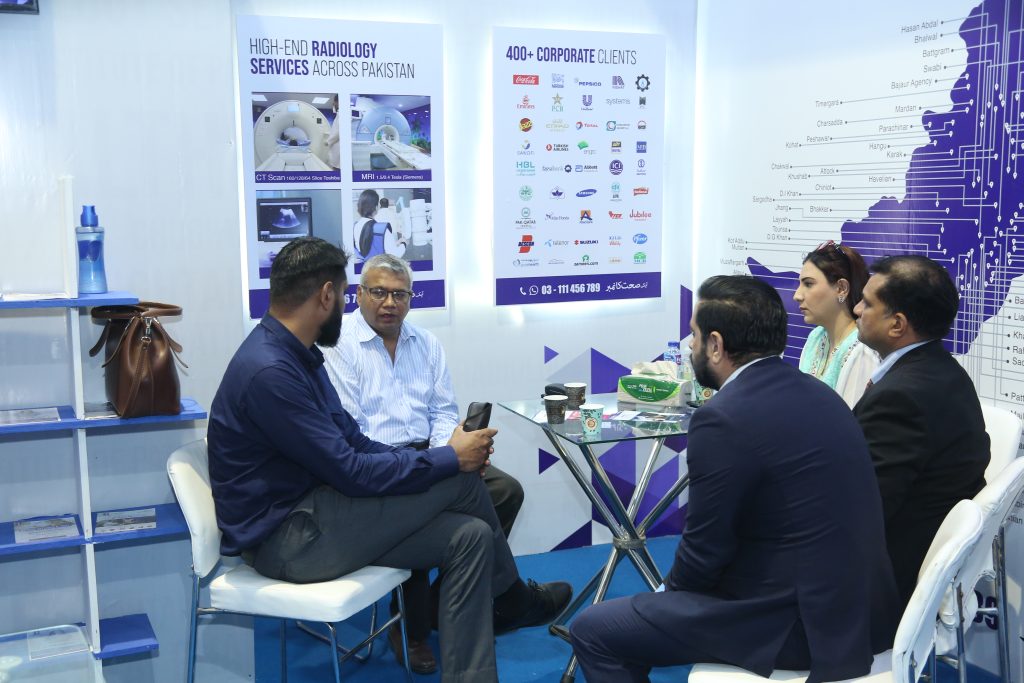
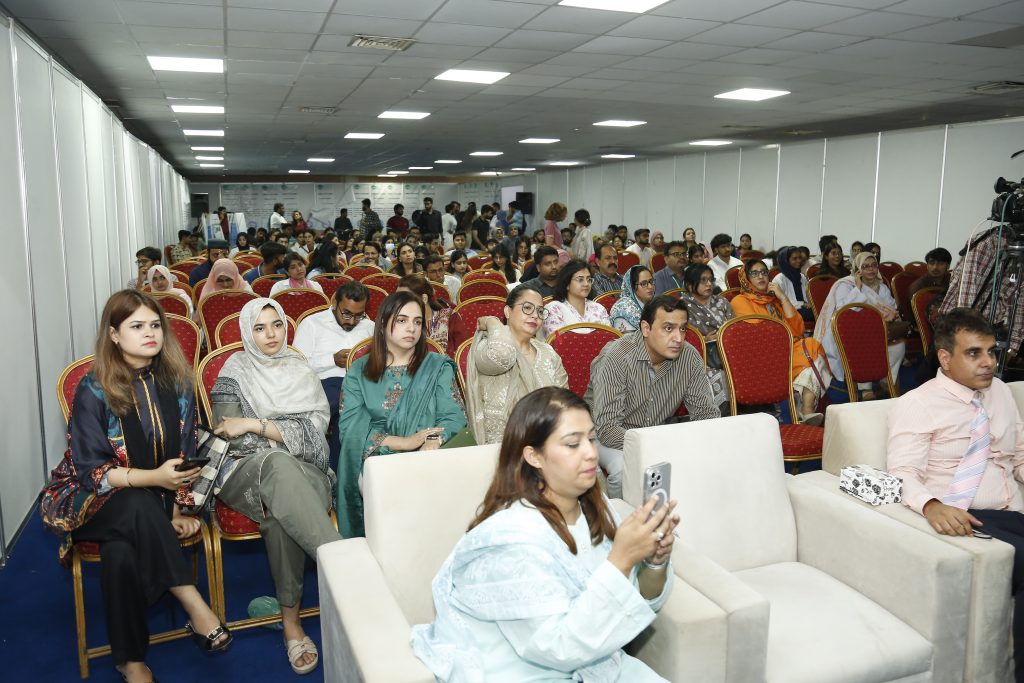
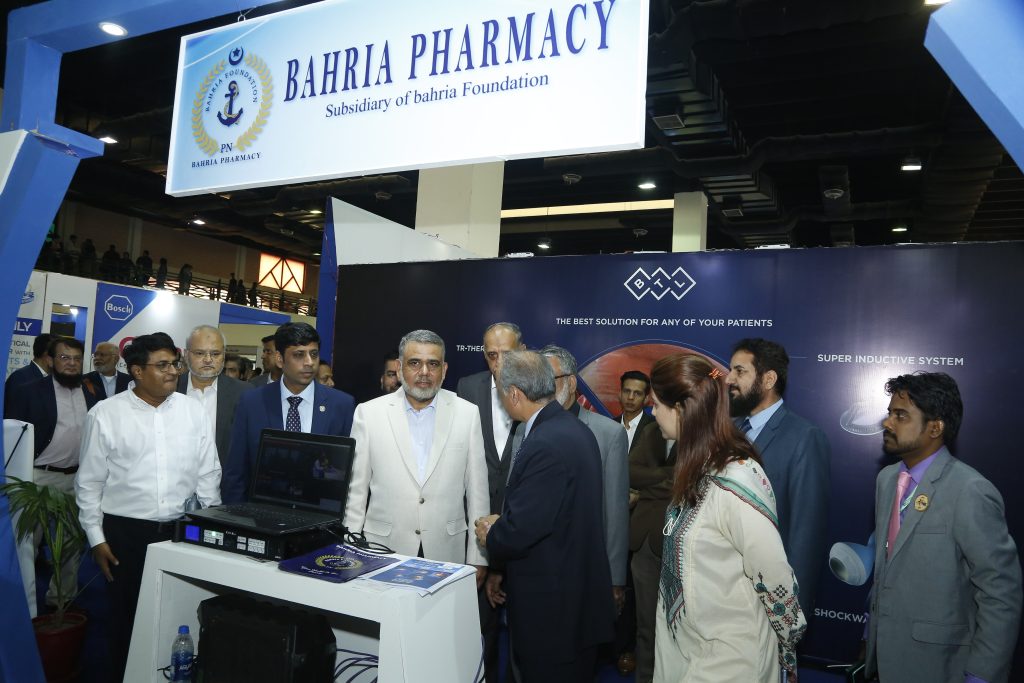
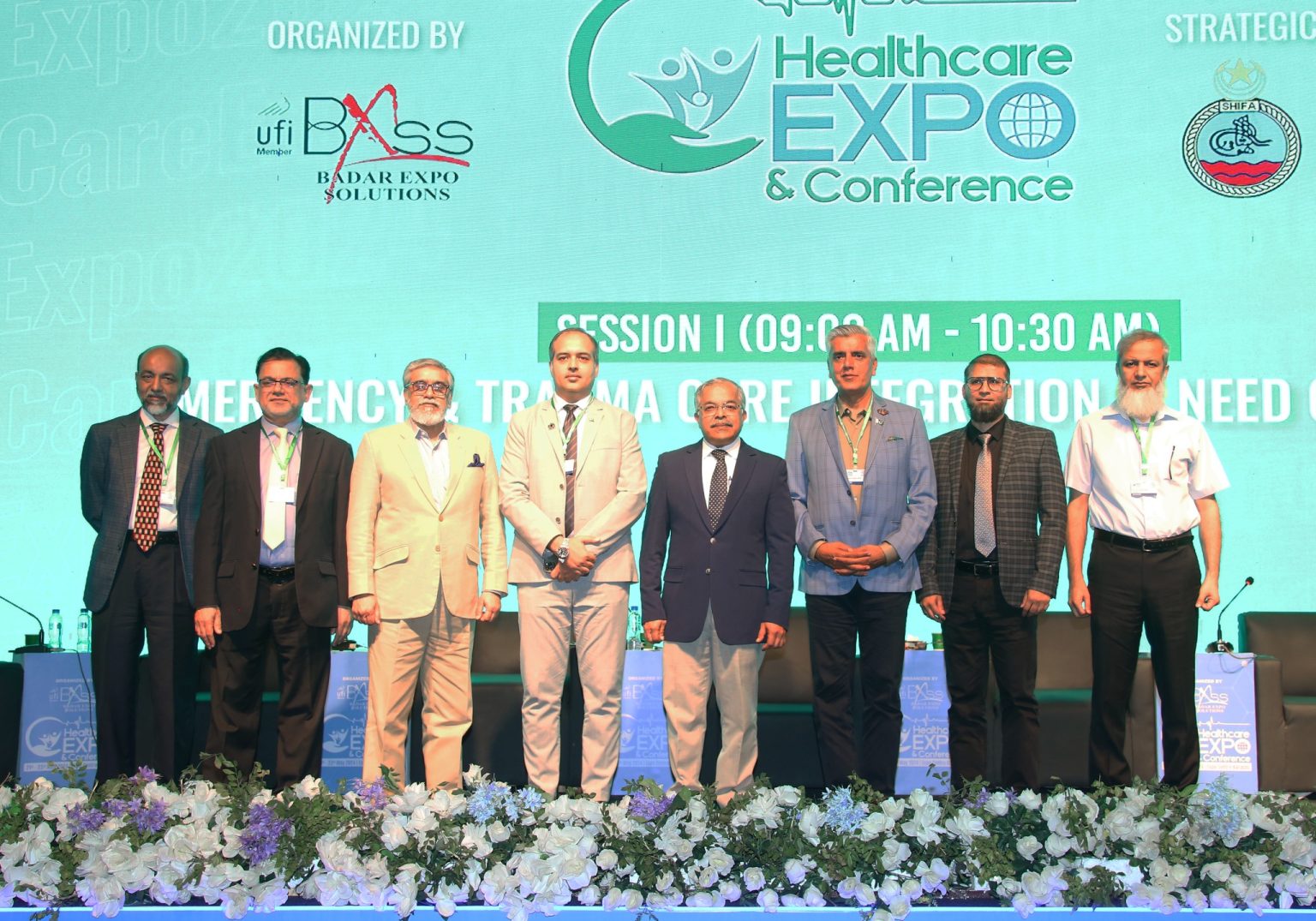
At Healthcare Expo 2026, emergency response leadership, disaster management authorities, and international trauma faculty will convene for the Annual Emergency Medicine Symposium. From mass casualty incident (MCI) simulations to exhibits featuring next-generation emergency vehicles and telemetry gear, the expo showcases the critical innovations preserving lives on Pakistan’s frontlines.