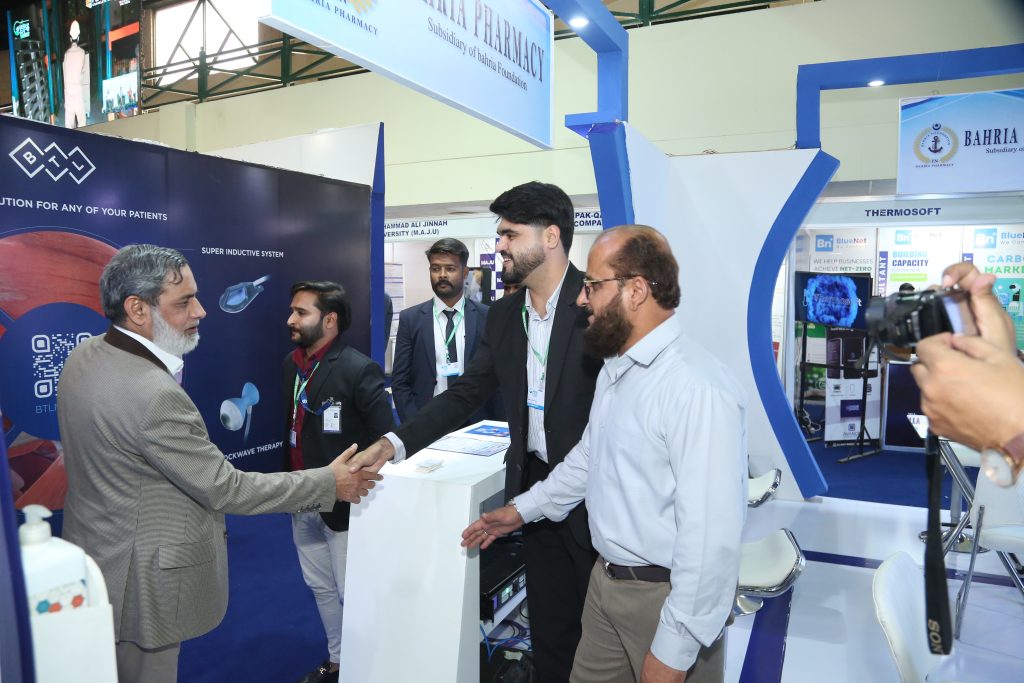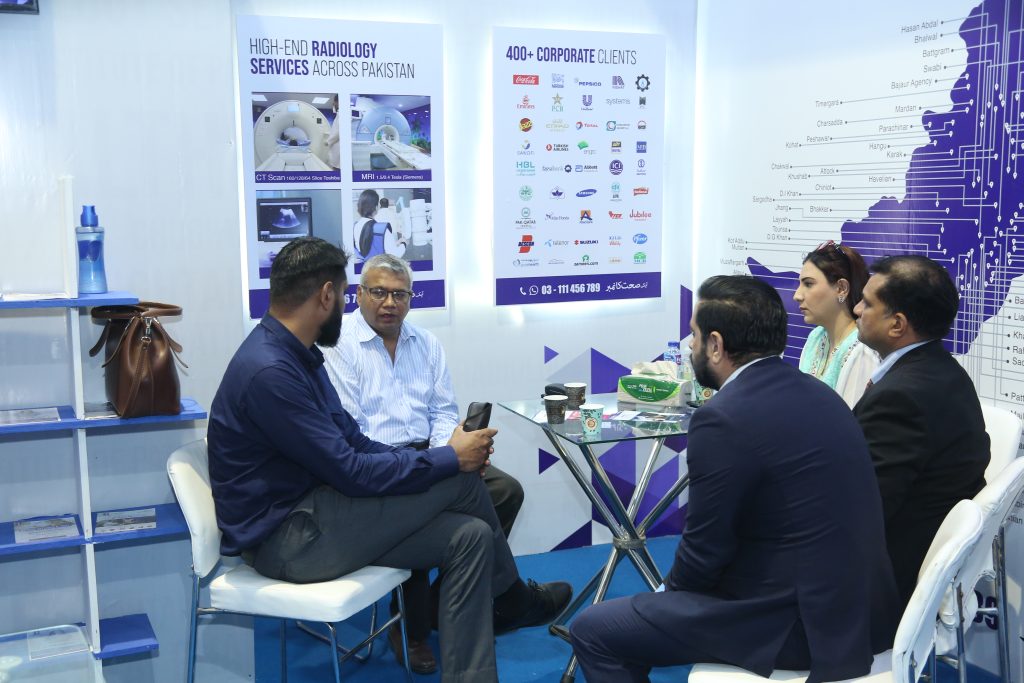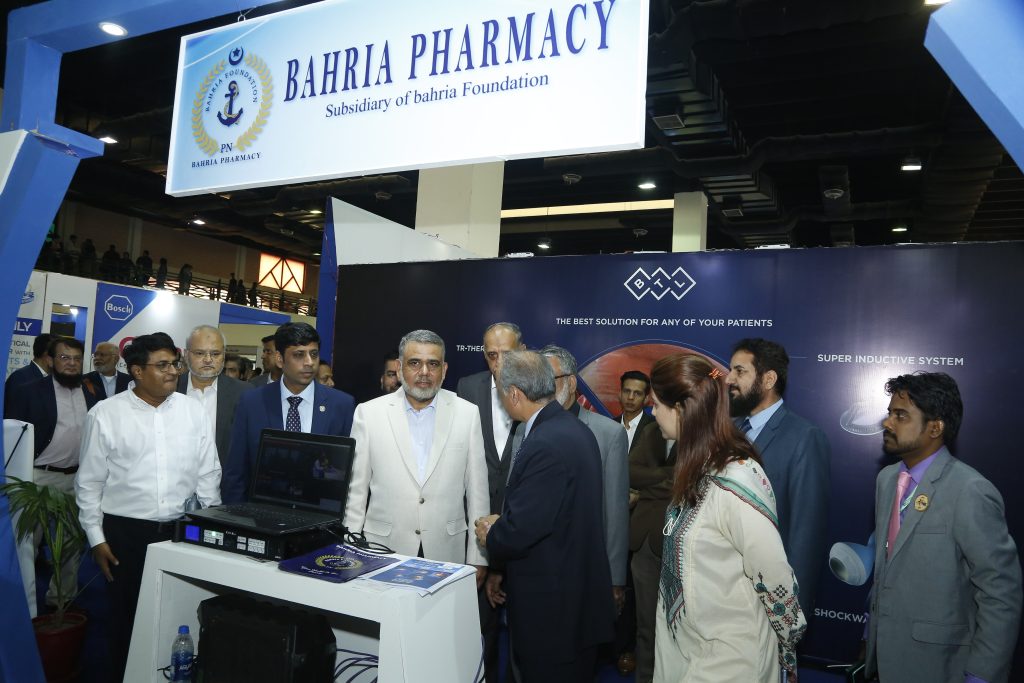

Clinical decision-making relies overwhelmingly on accurate laboratory testing. It is estimated that up to 70% of medical diagnoses, therapeutic selections, and hospital admission criteria are directly guided by pathology findings. As healthcare demands escalate, diagnostic laboratories across Pakistan are transitioning toward total laboratory automation (TLA), high-throughput molecular platforms, and genomic sequencing.
The Leap from Manual Chemistry to Total Laboratory Automation
High-volume diagnostic centers—such as the Dow Diagnostic Reference and Research Laboratory, Dr. Essa Laboratory, and university medical centers—process thousands of patient blood, fluid, and tissue specimens daily. Manual handling introduces risks of pre-analytical labeling errors, sample cross-contamination, and prolonged turnaround times.
Total Laboratory Automation (TLA) integrates robotic track systems that automatically centrifuge, de-cap, aliquot, analyze, and archive patient specimens. This drastically reduces human intervention, ensuring consistent analytical precision and cutting critical test turnaround times from hours to minutes.
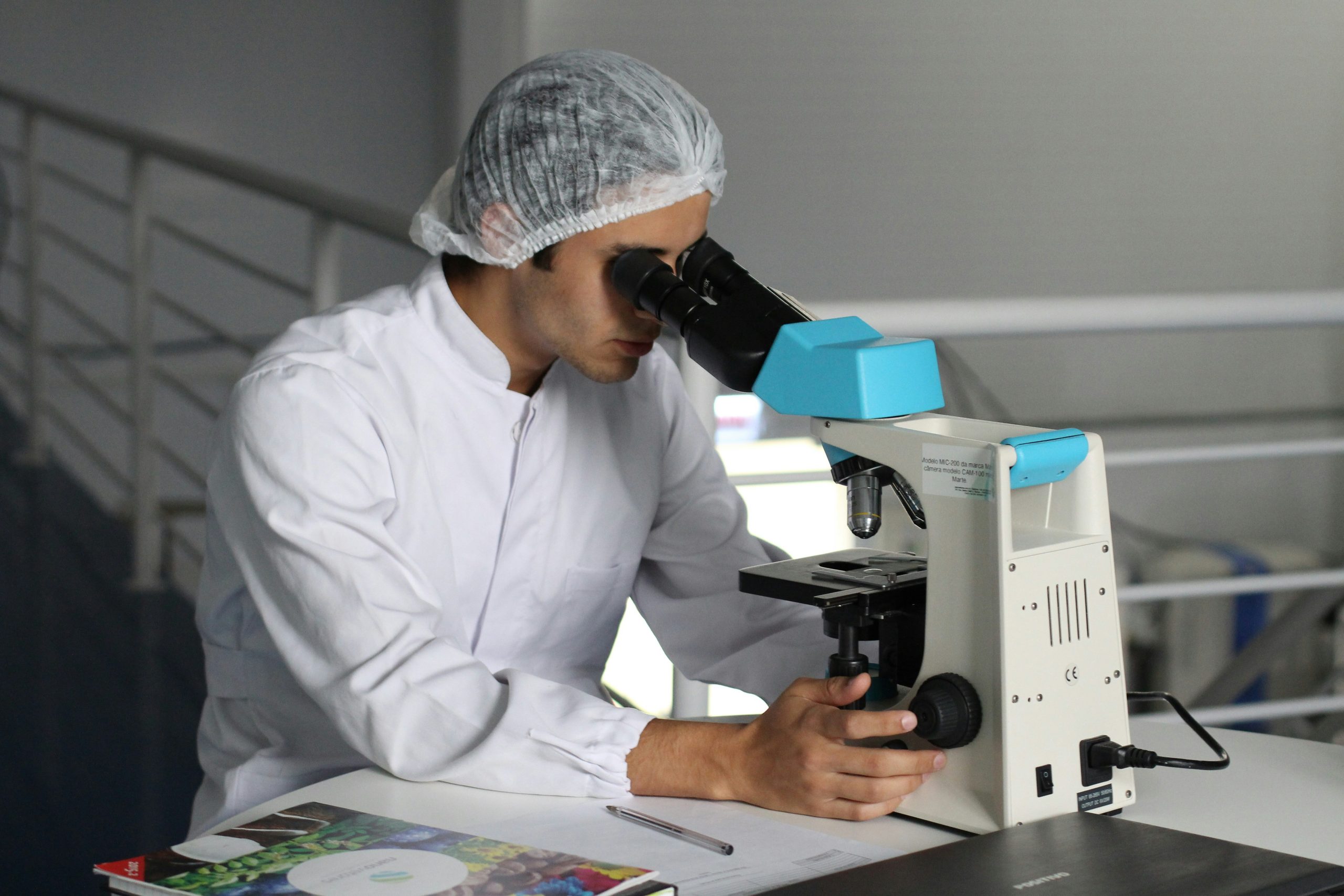
“Precision diagnostics is the bedrock of targeted therapy. Without rapid, automated molecular insights, modern oncology and infectious disease management cannot function effectively.”
The Fight Against Antimicrobial Resistance (AMR)
Antimicrobial resistance represents one of the most pressing global health threats, with South Asia experiencing notable challenges regarding multi-drug-resistant (MDR) and extensively drug-resistant (XDR) bacterial strains, such as XDR Typhoid and carbapenem-resistant Enterobacteriaceae.
Traditional culture and sensitivity testing typically requires 48 to 72 hours—a delay during which clinicians must rely on broad-spectrum empiric antibiotics. Automated phenotypic resistance platforms and multiplex PCR molecular arrays can now identify resistant pathogens and resistance genes within hours, empowering clinicians to prescribe targeted narrow-spectrum therapies immediately.

Key Molecular Innovations Entering Mainstream Practice
- Next-Generation Sequencing (NGS): Comprehensive genomic profiling for targeted cancer therapies and hereditary disease screening.
- Point-of-Care Molecular Testing (POCT): Compact PCR cartridges delivering laboratory-grade pathogen identification in emergency departments and peripheral clinics.
- Liquid Biopsy Assays: Minimally invasive circulating tumor DNA (ctDNA) detection for early cancer relapse monitoring.
Quality Assurance and ISO 15189 Standards
Technological modernization must be coupled with stringent accreditation. Adoption of ISO 15189 standards, mandatory participation in external quality assurance schemes (EQAS), and continuous staff training ensure that results generated in Pakistani laboratories meet international clinical thresholds.
The Diagnostics and Laboratory Pavilion at Healthcare Expo 2026 will feature leading international instrument manufacturers, reagent suppliers, and accreditation bodies, offering pathology professionals unprecedented access to the tools shaping the future of medicine.