Pakistan’s healthcare sector is approaching a transformative crossroads. For decades, tertiary hospitals and primary healthcare clinics across the country have remained heavily reliant on imported biomedical machinery—ranging from critical ICU ventilators and patient telemetry monitors to routine diagnostic consumables and disposable surgical kits. With foreign exchange fluctuations and global logistical disruptions continuing to impact procurement cycles, the imperative for domestic medical device manufacturing has moved from an aspirational goal to an urgent national priority.
The Current Import Reality and Economic Imperatives
Recent market data indicates that Pakistan imports more than 85% to 90% of its electro-medical and diagnostic hardware, resulting in an annual expenditure exceeding hundreds of millions of dollars in foreign exchange. While Pakistan has long held a commanding global reputation in manual stainless-steel surgical instruments—centered primarily in the export hub of Sialkot—the higher-margin electro-medical and implantable device sectors have historically seen limited domestic production.
This disparity highlights an immense domestic market opportunity. As provincial healthcare systems expand through trauma centers, mother-and-child hospitals, and modernized district headquarters (DHQ) hospitals, institutional demand for certified, cost-effective medical equipment is surging.

“Transitioning from basic manual surgical manufacturing to sophisticated electro-medical devices is no longer just an economic advantage—it is a cornerstone of national healthcare security.”
DRAP Regulatory Framework: Harmonizing with International Standards
The primary catalyst for this shift is the modernization of medical device regulations enforced by the Drug Regulatory Authority of Pakistan (DRAP). In alignment with international benchmarks established by the Global Harmonization Task Force (GHTF) and ISO 13485 quality management standards, DRAP has instituted structured classification pathways for medical hardware:
- Class A (Low Risk): Basic hospital examination furniture, sterile dressing packs, and non-invasive surgical instruments.
- Class B (Low-to-Moderate Risk): Infusion pumps, diagnostic ultrasound probes, and electrosurgical pencils.
- Class C (Moderate-to-High Risk): Dialysis machines, patient monitors, and neonatal incubators requiring cleanroom validation.
- Class D (High Risk): Cardiac stents, orthopedic implants, and life-support ventilators requiring extensive clinical safety evaluation.
From Sialkot to Karachi: Bridging Engineering and Clinical Practice
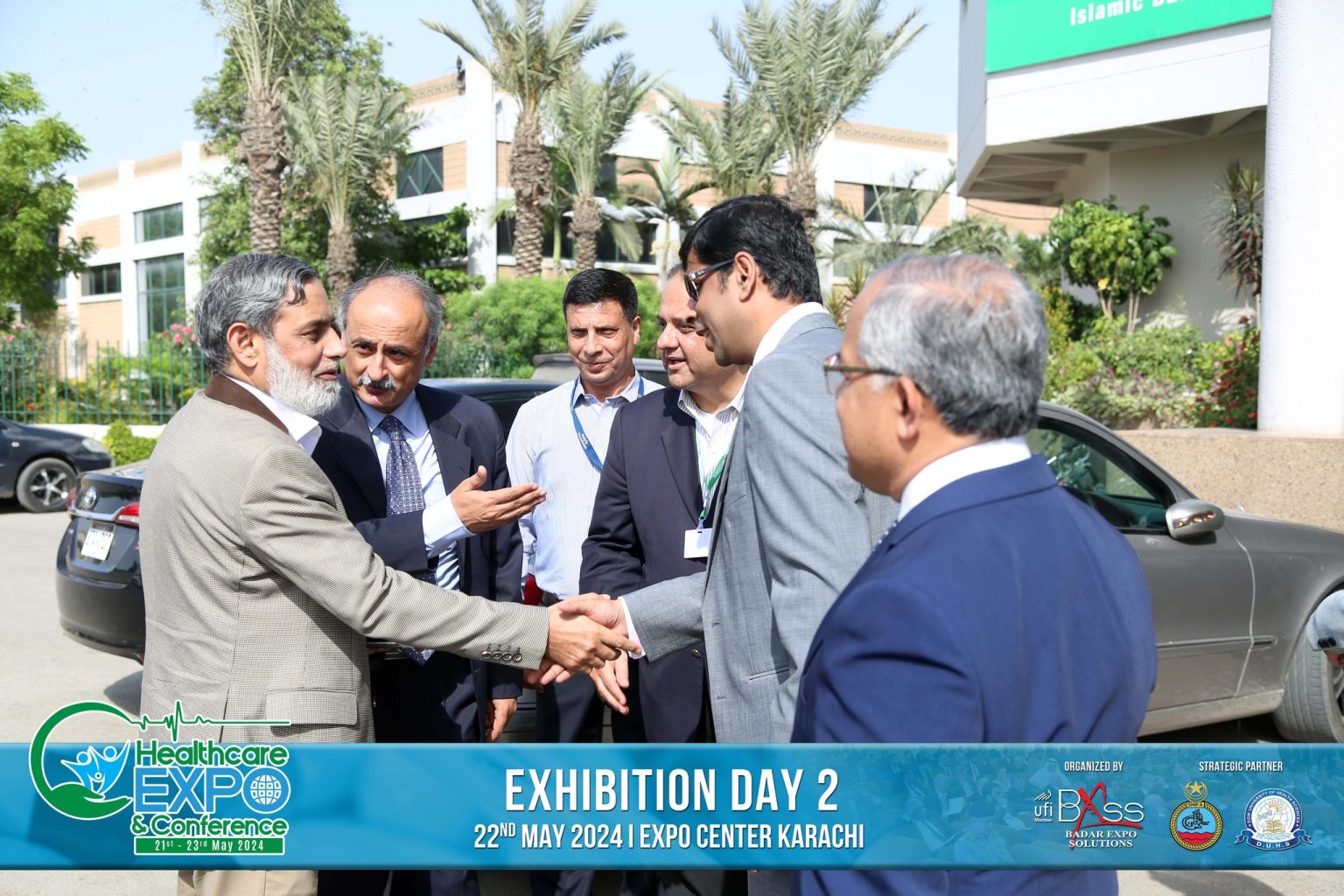
A burgeoning ecosystem of biomedical engineers, academic incubators at Dow University of Health Sciences (DUHS), and visionary industrial manufacturers are pioneering localized fabrication. Initiatives include:
- Hospital-Grade Patient Monitors: Assembled locally with integrated telemetry and alarm systems calibrated for local voltage fluctuations.
- Infusion & Syringe Pumps: Engineered with localized user interfaces and ruggedized battery backups designed specifically for peripheral clinical centers.
- Orthopedic and Spinal Implants: Utilizing precision titanium milling and biocompatibility testing certified through accredited local laboratories.
Catalyzing Global Partnerships at Healthcare Expo 2026
Achieving full-scale self-reliance requires rapid technology transfer, localized component fabrication, and international distribution agreements. The upcoming Healthcare Expo 2026 at the Karachi Expo Centre serves as the premier convergence platform connecting overseas equipment OEMs (Original Equipment Manufacturers) with reputable Pakistani healthcare conglomerates and pharmaceutical firms.
Through structured B2B matchmaking sessions, international manufacturers can establish licensed assembly operations in Pakistan, leveraging competitive labor and preferential access to the broader Central and South Asian markets.