A hospital is arguably the most complex architectural and engineering structure in modern society. Beyond aesthetic architecture, hospital infrastructure must function seamlessly as a continuous life-support engine—delivering uncompromised electrical reliability, precision medical gases, sterile air filtration, and intuitive clinical compartmentalization to prevent the spread of infectious pathogens.
Mitigating Hospital-Acquired Infections (HAIs) Through Design
Healthcare-associated infections (HAIs) represent a major burden on patient recovery, contributing to prolonged hospital stays, elevated mortality, and significant financial costs. Modern hospital engineering demonstrates that infection control begins at the drawing board.
Key infrastructure strategies include:
- Laminar Airflow & HEPA Filtration: Ultra-clean airflow regimes in operating suites providing positive pressure cascades that wash airborne particulates away from the surgical field.
- Isolation Suites with Negative Pressure: Specialized airborne infection isolation rooms (AIIR) preventing infectious agents from circulating into adjacent corridors.
- Antimicrobial Architectural Surfaces: Copper-infused door hardware, seamless epoxy antimicrobial flooring, and non-porous wall cladding that resist biofilm formation.

“Hospital design is an active clinical intervention. Proper ventilation cascades, separate clean/dirty transit corridors, and redundant life-support systems save as many lives as pharmacology.”
Medical Gas Pipeline Systems (MGPS): Critical Lessons in Redundancy
The vital role of continuous medical oxygen and vacuum systems was underscored globally during recent respiratory epidemics. Modern hospital standards mandate robust triplex liquid medical oxygen (VIE) storage, synchronized vacuum pumps, and automatic emergency manifold changeovers.
Biomedical engineering teams now deploy IoT pressure sensors and automated valve monitoring along every zone pipeline, guaranteeing instantaneous notification of any drop in pipeline pressure before clinical equipment is compromised.

Energy Sustainability and Smart Facility Integration
With commercial energy tariffs remaining high, hospitals require substantial baseload power 24/7. Visionary healthcare operators in Pakistan are integrating solar-hybrid photovoltaic generation, variable refrigerant flow (VRF) HVAC systems, and automated building management systems (BMS). These systems intelligently scale down energy consumption in non-critical hospital areas while maintaining strict environmental parameters in operating suites, laboratories, and ICUs.
The Hospital Infrastructure Summit at Healthcare Expo 2026
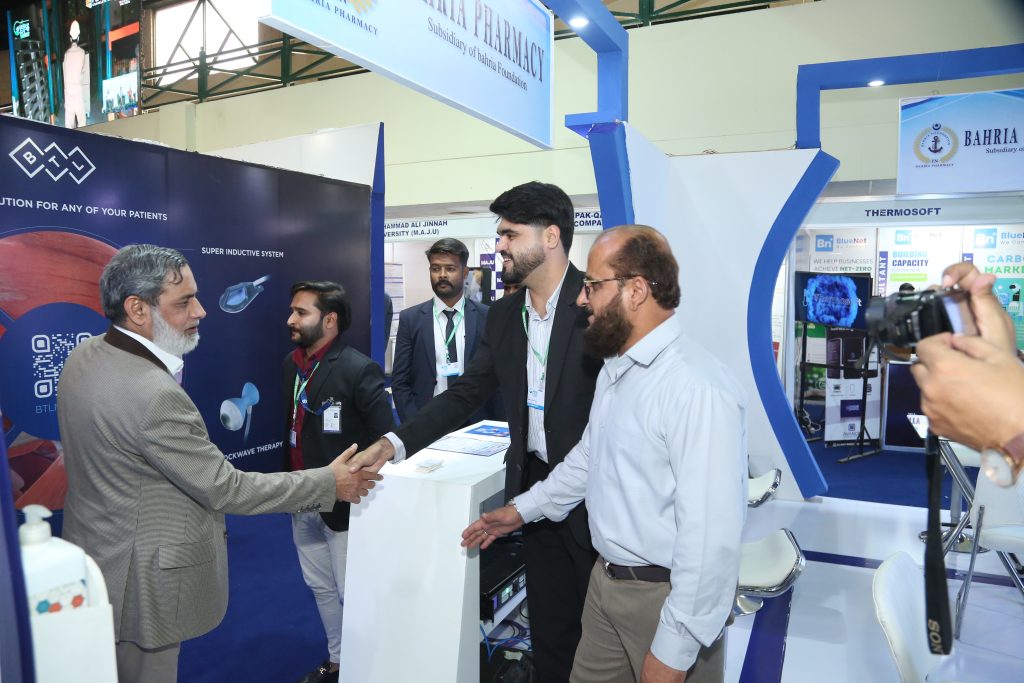
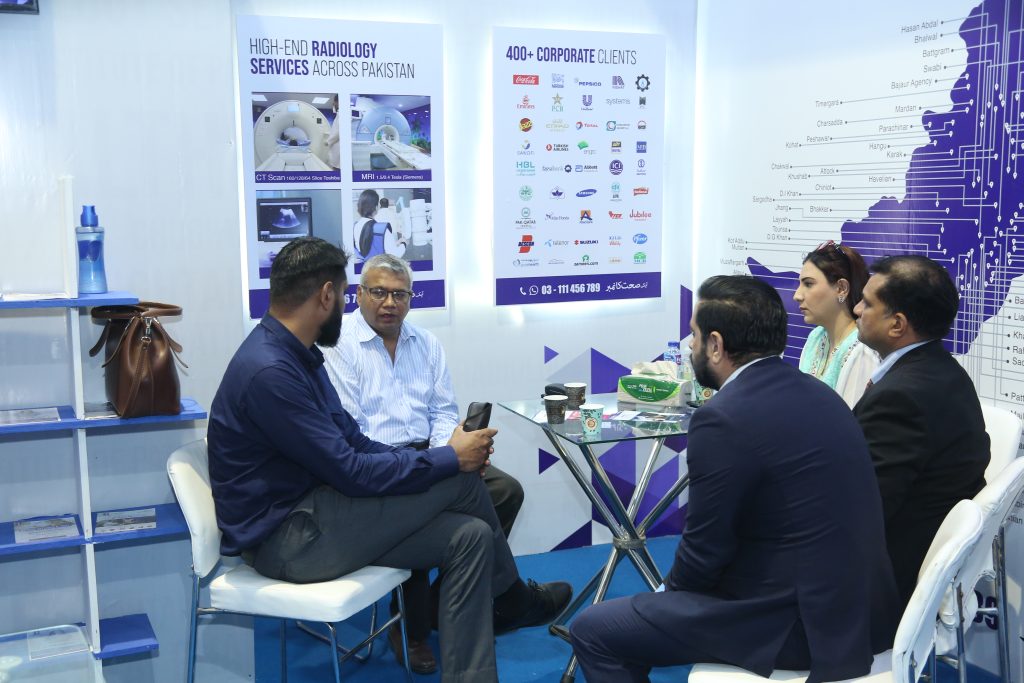
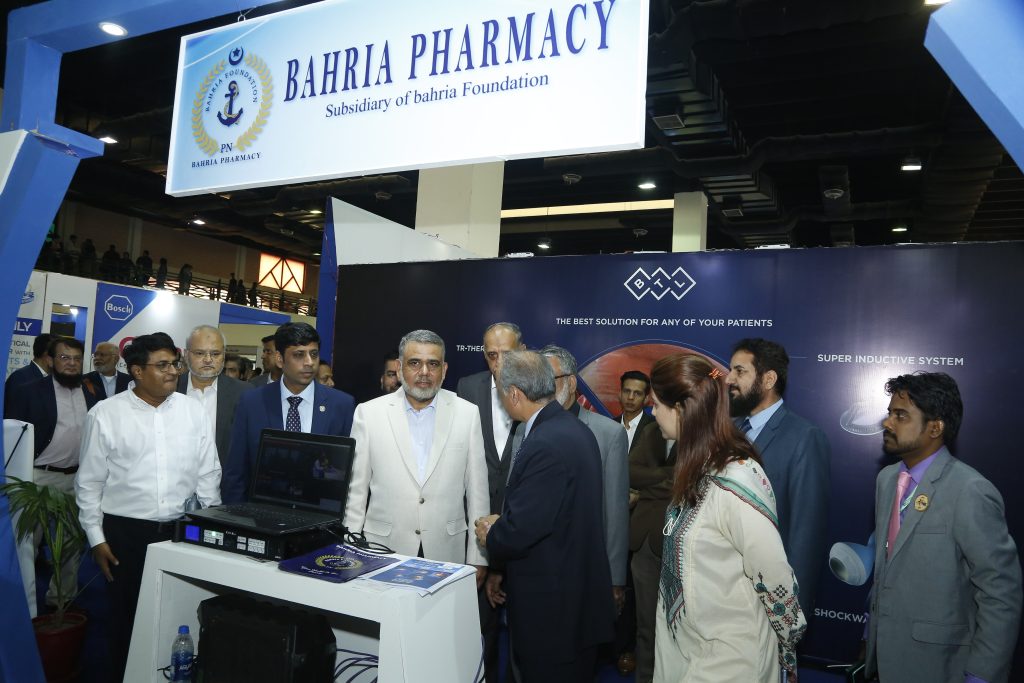
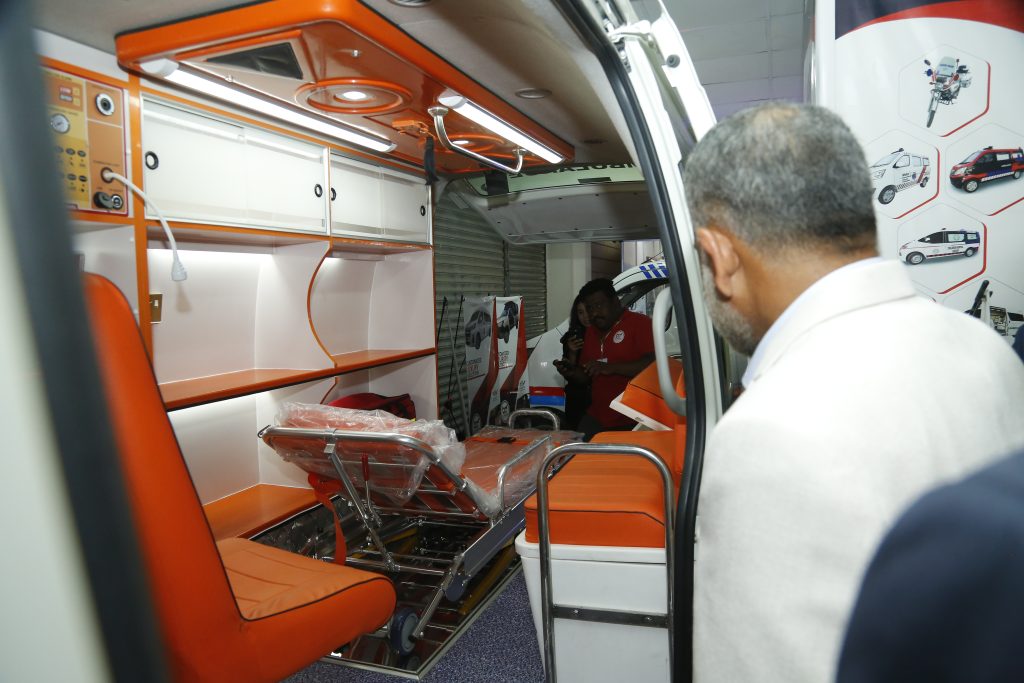
At Healthcare Expo 2026, hospital directors, biomedical engineers, cleanroom contractors, and MEP consultants will assemble for dedicated infrastructure roundtables. Exhibitors will showcase modular operating theaters, cleanroom partition systems, and medical gas solutions tailored to both new hospital builds and facility retrofitting.